How to Buy from Coin Auctions: Top Lifehacks from Experienced Numismatists
Coin auctions are made to feel like modern treasure-hunting. However, this process has nothing in common with a night at the casino. Behind every winning bid, there is a strategy borne of experience.
Advanced numismatists don’t depend on luck; they depend on smart preparations, sharp observations, and precise tactics. If you learn from them, you can grab some of the best parts of the collection from auction sales. With proper lifehacks, physical tools, and the best coin identifier app in your pocket, even beginners can confidently step into this dimension of collecting.
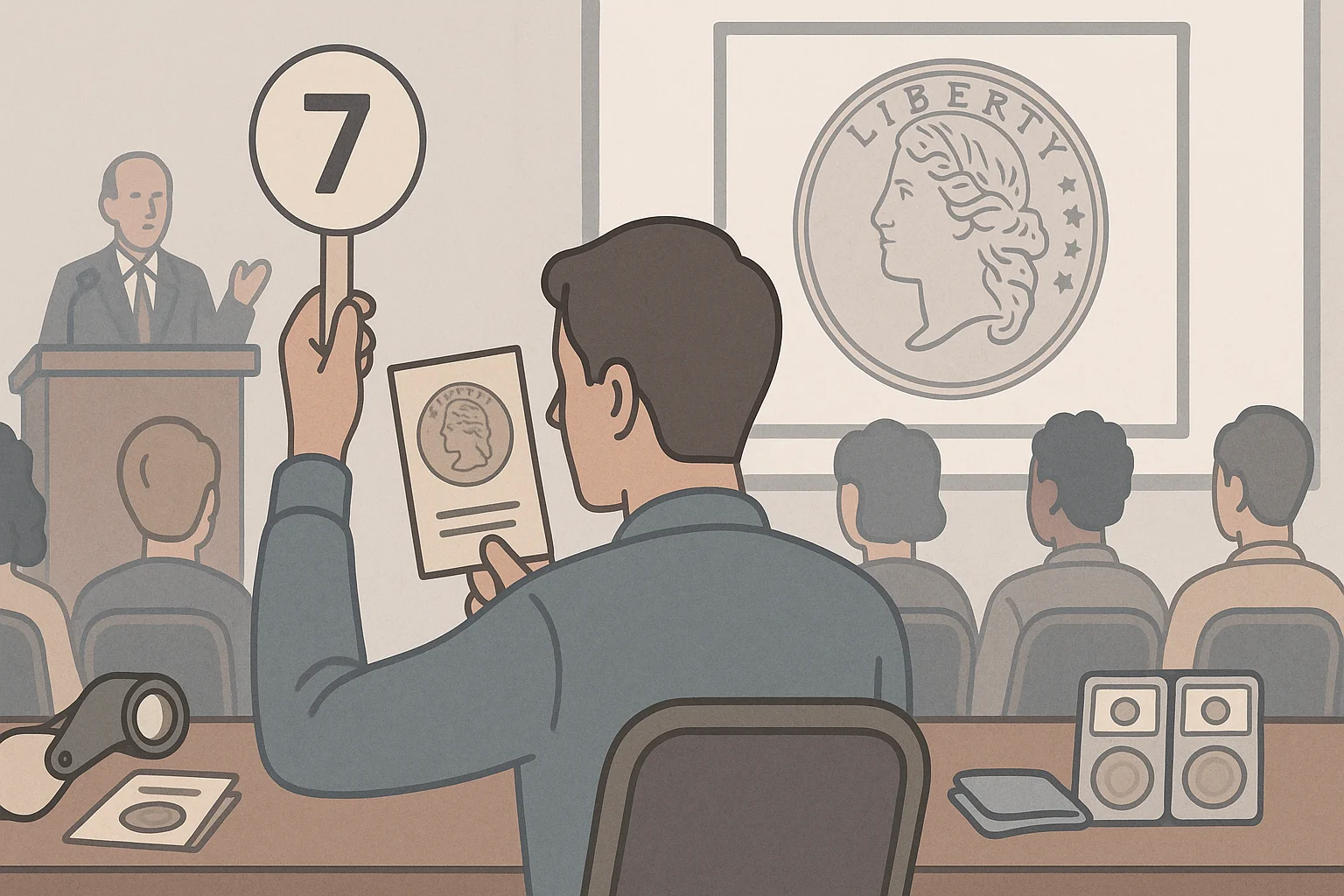
Getting Ready for the Auction: Research, Strategy, and Smart Preparation
Buying coins at auctions is exciting: rare pieces, competitive bidding, and the possibility of landing a treasure for your collection. But to serious numismatists, one thing is well known: success depends on preparation. Before raising their paddle or clicking “place bid,” they need solid research and a strategy that keeps them informed, calm, and in control.
Know the Market Before You Bid
Auction excitement pushes many collectors into emotional decisions. Seasoned numismatists avoid this by studying the market long before the bidding starts.
Focus on:
- Historic pricing from recent auctions
- Typical availability of the coin type or variety
- Current demand among collectors
- Known varieties, mint marks, and key dates
Use established resources such as recent auction archives, dealer price guides, or the Red Book. Once you know the realistic price range, set a limit — and commit to sticking to it.
Choose Auction Houses with Proven Expertise
Not all auction venues are equal. The most trusted houses specialize in numismatics and provide detailed listings, certified coins, and transparent bidding rules.
Experienced collectors often recommend the following sources before visiting smaller auctions:
- Major U.S. auction houses like Heritage or Stack’s Bowers
- Established UK and EU houses such as Warwick & Warwick
- Reputable global platforms with professional cataloging
Master the Auction Catalog
Auction catalogs hold far more information than casual bidders realize. Professionals treat them as research tools.
Inspect closely:
- High-resolution photos
- Grading details
- Notes about provenance
- Mentions of cleaning, damage, or unusual toning
- Certificates or third-party grading numbers (NGC, PCGS, ANACS)
A vague description or poorly lit photo is a red flag. Good catalogs give you everything you need to make an informed decision — and avoid surprises when the coin arrives.
Plan Your Bidding Strategy Early
Every serious bidder has a plan before the first lot appears. Think through:
- How many lots you’re targeting
- Your absolute maximums
- Whether you’ll bid early to test competition
- Or bid once at your full limit to avoid emotional increments
Professionals avoid sudden bidding wars and stick to predefined ranges, even when excited.
Winning the Bid: Expert Tactics, Smart Timing, and Auction Psychology
Everything goes very quickly once the auction gets underway, both online and offline. The seasoned numismatist approaches that pace with clarity on how auctions influence buyer behavior. In this middle stage beginners most often make costly mistakes, but with the right approach, you can secure strong wins without overspending.
Understand Auction Formats and Adjust Your Strategy
Different auction types require different approaches:
- Live in-room auctions allow you to read the room, observe bidder behavior, and adjust timing.
- Online live-streamed auctions move quickly and require attention to lag time.
- Timed auctions let you place bids whenever you want, with the final minutes often determining the winner.
Professionals adapt. For timed auctions, they place a strong maximum bid early and let auto-bidding do the work. For live events, they watch reactions and jump in strategically.
Avoid Emotional Bidding and Sudden Price Surges
Auctions are built to excite bidders and inflate prices. The crowd energy, countdown timers, and rapid increments can tempt you to push beyond your limit. Experienced collectors resist this at all costs.
Key discipline rules:
- Treat your maximum as final — not flexible.
- Don’t chase a coin just because someone else wants it.
- Avoid “revenge bidding” when you lose a previous lot.
- Don’t bid based on rarity hype if you lack full details.
Emotional decisions are one of the main reasons beginners overspend. Always remember to use the best free coin identifier app to see real values and never get misled by the nervous atmosphere of the live auction.
Use Expert Help for High-Value Coins
For rare or expensive coins, many collectors work with:
- Professional numismatists
- Proxy bidders
- Grading specialists
These experts evaluate coins, spot problems in listings, and bid on your behalf with total objectivity. This approach reduces risk and improves your chances of securing high-end pieces without falling into bidding traps.
Watch Out for Hidden Costs
Auction wins often come with additional fees that beginners forget to factor in:
- Buyer’s premiums
- Shipping charges
- Insurance costs
- Currency conversion fees
- Taxes in certain regions
Experienced numismatists always take in account the total cost, not just the hammer price. A coin that looks affordable at first may become overpriced by the time fees are added.
Know When to Walk Away
One of the most valuable skills in auction bidding is the ability to stop. If a lot surpasses your value range, move on — seasoned collectors lose dozens of lots before winning one worth pursuing. The rarest coins are not always the best purchases, and new opportunities always emerge.
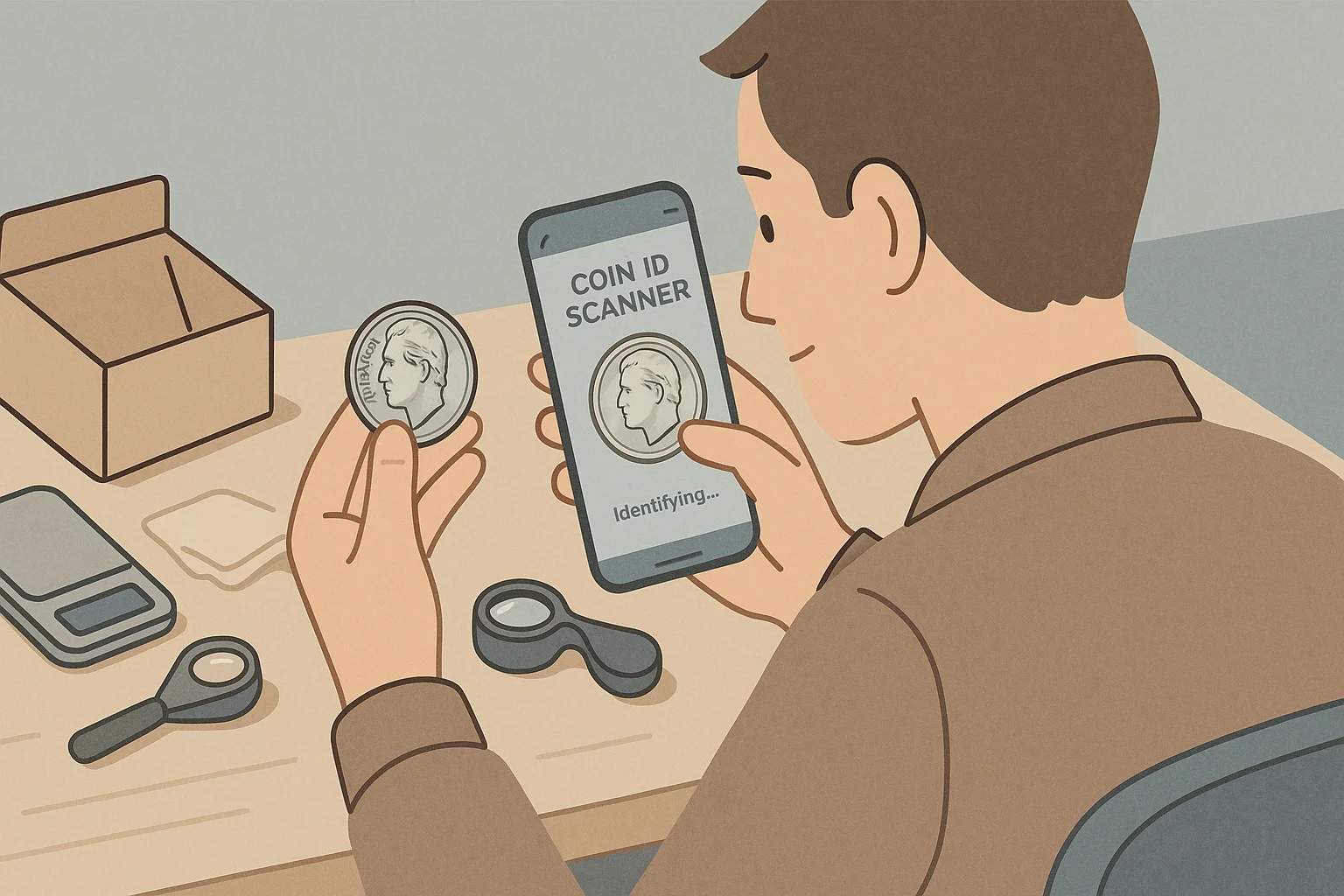
After the Win: Verification, Authentication, and Smart Post-Auction Habits
Winning a coin at auction feels rewarding, but the real work begins once the piece arrives at your door. Experienced numismatists treat post-auction steps as seriously as bidding itself. Proper verification, documentation, and digital organization ensure that every acquisition strengthens your collection instead of creating future headaches.
Inspect the Coin Immediately and Carefully
Once the package arrives, open it in a clean, well-lit area. Avoid touching the coin directly — use gloves or hold it only by the edges. Check for:
- Surface quality: Look for scratches, hairlines, or cleaning marks not mentioned in the listing.
- Strike and detail: Confirm that the sharpness matches the auction photos.
- Edge integrity: Many forgeries show edge flaws or retooling attempts.
- Signs of alteration: Re-engraved mint marks, artificial toning, or tampered surfaces.
If the coin deviates meaningfully from the catalog description, document the discrepancies with high-quality photos.
Verify Authenticity With Trusted Resources
Even reputable auction houses occasionally handle coins with undisclosed issues. Experienced collectors always cross-check authenticity:
- Compare weight and diameter against official mint specifications and a reputable coin appraisal app.
- Review the auction’s certification numbers on PCGS, NGC, or ANACS databases.
- Inspect mint marks and design features to confirm they match the correct die variety.
This step protects you from long-term losses and prevents difficult resale situations later.
Use Digital Support for Fast Validation and Organization
Digital tools simplify verification and cataloging, especially when your collection grows.
A streamlined option like Coin ID Scanner helps collectors confirm details quickly through:
- Photo identification with accurate specs such as mintage years and metal composition
- A global database of over 187,000 coins
- Digital collection management for storing images, notes, and purchase data
- AI guidance that clarifies unclear features or historical info
This makes post-auction organization both faster and more accurate — an advantage that seasoned collectors appreciate.
Document Your Purchase for Future Reference
A complete record improves collection value and keeps your hobby organized. Create a log that includes:
- Auction house name and sale number
- Lot number and final price
- Certification details
- Photos of the coin upon arrival
- Notes about strike quality, toning, or varieties
This documentation becomes essential when selling, insuring, or upgrading your collection later.
Know Your Return and Dispute Options
If the coin significantly differs from the catalog listing in grade, authenticity, or condition, use the auction house’s return policy. Experienced numismatists act fast — the longer you wait, the harder returns become.
Most reputable houses offer:
- Clear return windows
- Refunds for misdescribed items
- Authentication guarantees
Take action immediately if something doesn’t match.
A successful auction purchase is not merely about winning a bid but also confirming authenticity, evaluating condition, and recording your acquisition properly. The experienced numismatist relies on a habit of consistency and smart digital tools that support the validation of their finds, organization of collections, and protection therein. With careful inspection and structured post-auction steps, every coin you win becomes a confident addition to your growing collection.
Coin auctions are made to feel like modern treasure-hunting. However, this process has nothing in common with a night at the casino. Behind every winning bid, there is a strategy borne of experience. Advanced numismatists don’t depend on luck; they depend on smart preparations, sharp observations, and precise tactics. If you learn from them, you…